What Role Does Employee Monitoring Software Play In Modern Workplace Management?
The modern workplace continues evolving as organizations embrace hybrid work models, remote collaboration, and digital transformation. As teams become more distributed, businesses require greater visibility into workflows, productivity, and operational performance while maintaining transparency and employee trust. Employee monitoring software has become an important workplace management solution that helps organizations understand work patterns, optimize processes, and improve operational efficiency through data-driven insights. Rather than focusing solely on supervision, these solutions provide valuable information that supports better decision-making, resource allocation, and workflow optimization. When implemented responsibly with clear communication, monitoring technologies contribute to a more organized, productive, and collaborative work environment. As businesses continue adapting to new ways of working, intelligent workplace management tools are playing an increasingly significant role in organizational success.
How Workplace Visibility Improves Operational Efficiency
Managing a modern workforce requires more than simply tracking completed tasks. Organizations benefit from understanding how work progresses across departments, where delays occur, and which processes can be optimized for greater efficiency. Workplace visibility enables managers to identify operational trends while supporting informed planning and resource management.
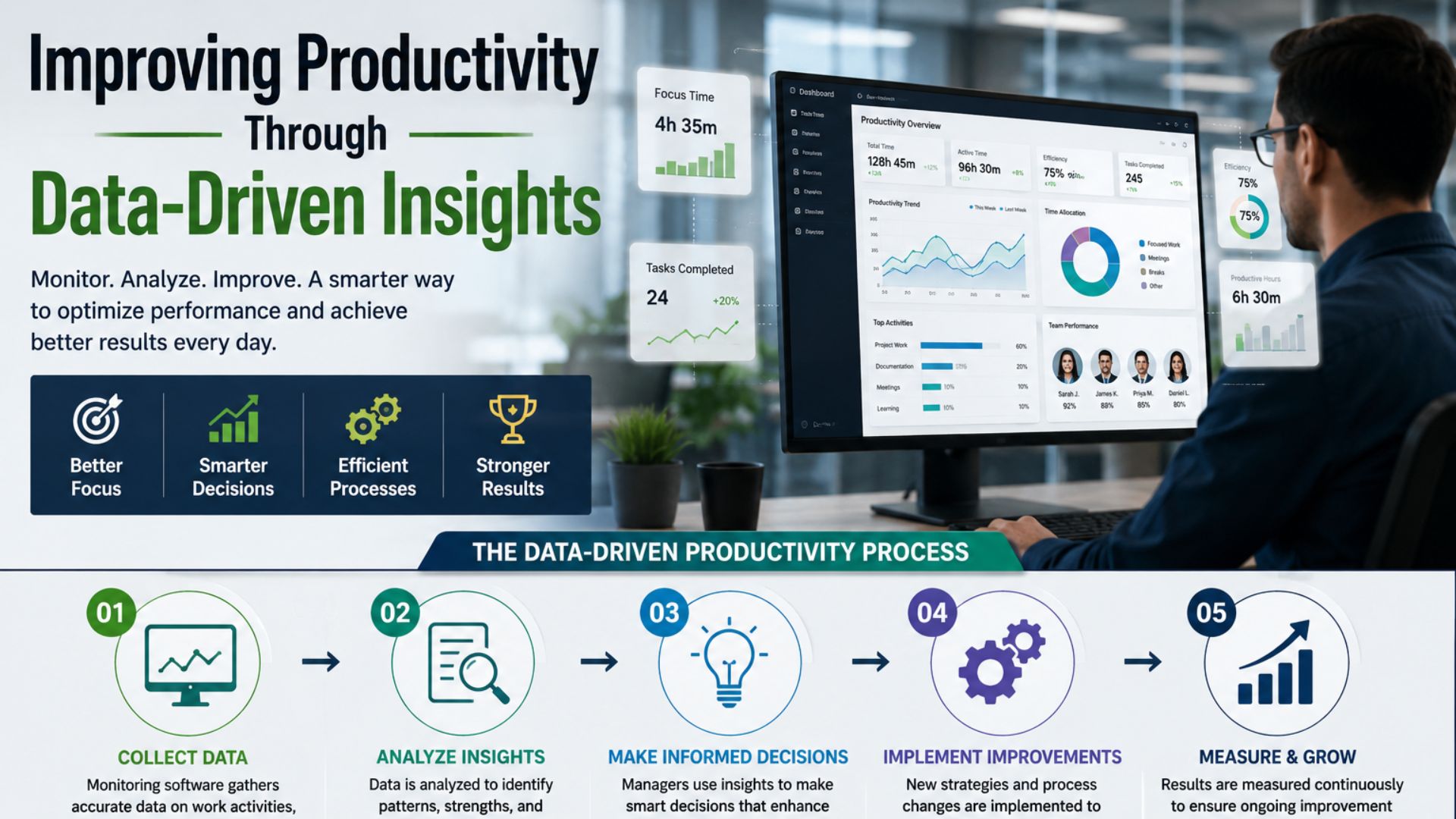
Instead of relying on assumptions, businesses can evaluate measurable workflow information to improve scheduling, collaboration, and project execution. These insights also help organizations recognize opportunities to eliminate repetitive activities and streamline internal operations. By improving overall visibility, businesses create stronger foundations for continuous operational improvement while supporting employee productivity and organizational performance
Balancing Productivity with Responsible Technology
As workplace technologies become increasingly sophisticated, organizations must balance productivity improvements with responsible implementation. Monitoring solutions should be introduced with clear policies, transparent communication, and respect for employee privacy. Establishing trust encourages healthier workplace relationships while helping employees understand how collected information supports organizational improvement rather than unnecessary oversight. Emerging technologies such as smart contracts may further enhance workplace management by automating administrative processes, verifying digital agreements, and improving transparency across operational workflows. Combined with responsible governance, automation technologies can simplify routine business operations while reducing administrative complexity and improving organizational efficiency.
Key Benefits of Employee Monitoring Software
Many organizations adopt monitoring software because it provides actionable workplace insights that support long-term operational success.
Key Benefits Include:
- Improved workflow visibility across departments
- Better project tracking and resource planning
- Data-driven productivity analysis
- Faster identification of workflow bottlenecks
- Enhanced reporting for management decisions
- Stronger operational efficiency through measurable insights
These advantages help businesses make informed decisions while creating more organized and productive workplace environments.
The Future of Intelligent Workplace Management
The future of workplace management will increasingly combine artificial intelligence, predictive analytics, and automation to support smarter business operations. Technologies such as Ad Intelligence already demonstrate how advanced analytics can transform large volumes of business data into meaningful strategic insights. Similar analytical capabilities are expected to enhance workforce management by identifying productivity trends, improving collaboration, and supporting proactive decision-making.
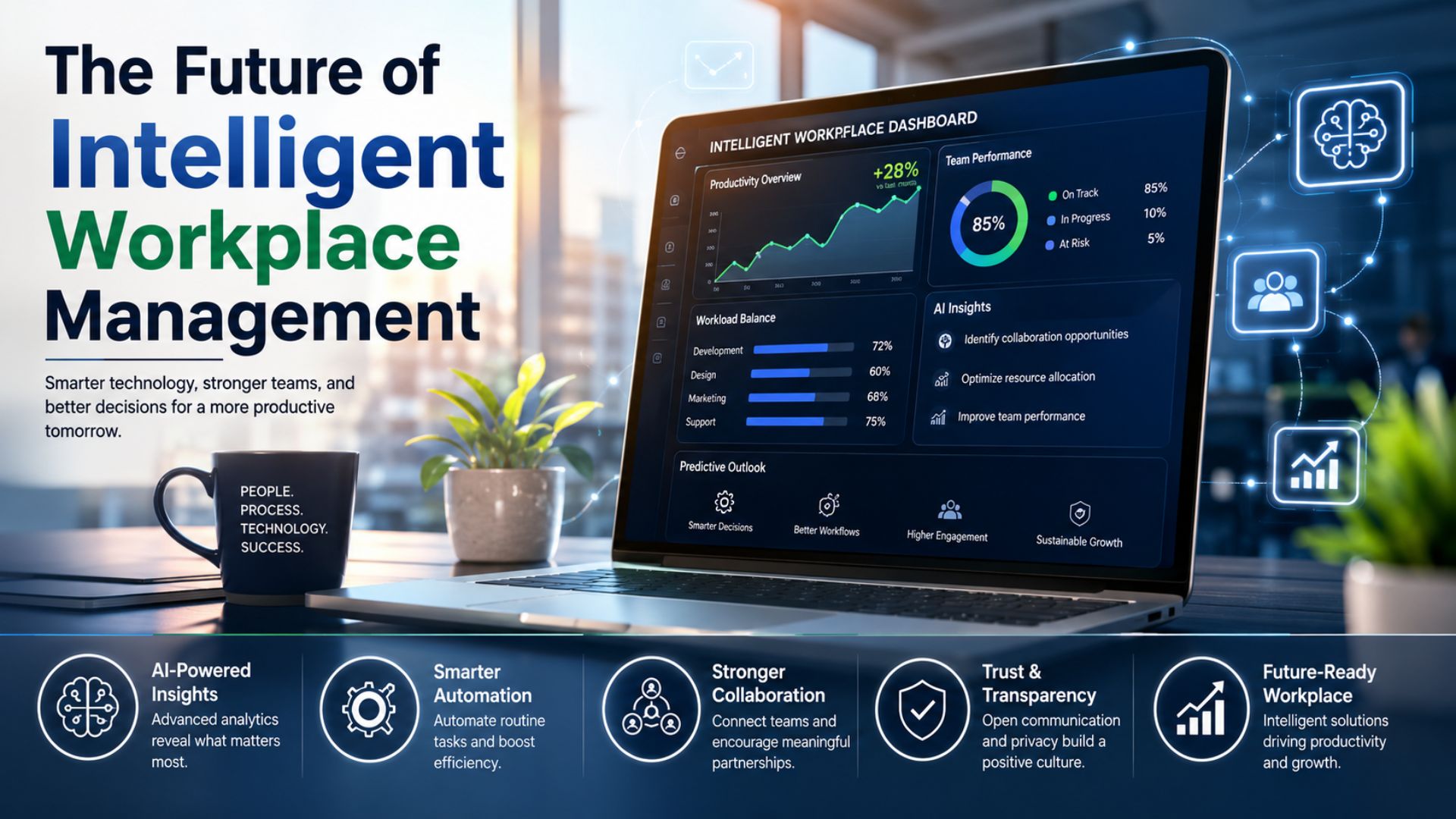
Future workplace platforms may integrate intelligent automation, real-time analytics, and workflow optimization into unified management ecosystems that improve both organizational performance and employee experiences. Businesses that embrace innovation while maintaining transparency, ethical governance, and employee trust will be better positioned to succeed in rapidly evolving digital workplaces.
You can also watch :Globussoft: Transforming Businesses with AI-Powered Solutions & Next-Gen Technology

Conclusion
Effective workplace management depends on accurate information, efficient processes, and thoughtful leadership. By providing valuable operational insights, improving workflow visibility, and supporting data-driven decision-making, employee monitoring software helps organizations create more productive and collaborative work environments. As businesses continue adapting to digital transformation, responsible implementation of intelligent workplace technologies will remain essential for improving operational efficiency while fostering trust, transparency, and long-term organizational success.
FAQs
What is employee monitoring software?
Employee monitoring software is a workplace management solution that helps organizations analyze productivity, monitor workflows, track project progress, and improve operational efficiency through actionable business insights.
Why do businesses use employee monitoring software?
Businesses use it to improve workflow visibility, optimize resource allocation, identify operational bottlenecks, and support data-driven management decisions.
Can employee monitoring software improve workplace productivity?
Yes. When implemented transparently and responsibly, it helps organizations identify workflow improvements, enhance collaboration, and streamline business operations without replacing effective leadership.
